By Kate Stockrahm
After more than a year of work, Central Park neighborhood residents that lobbied for a citywide vacant building ordinance celebrated on Tuesday evening as Flint City Council voted 7-0 to approve it.
“We are delighted that we got a unanimous vote of the members who were present in support of the proposed ordinance,” Jim Richardson, one of the residents who helped draft and push through the ordinance, told East Village Magazine. “And we appreciate the opportunity to see if we can make a difference in what our neighborhoods look like in the future.”
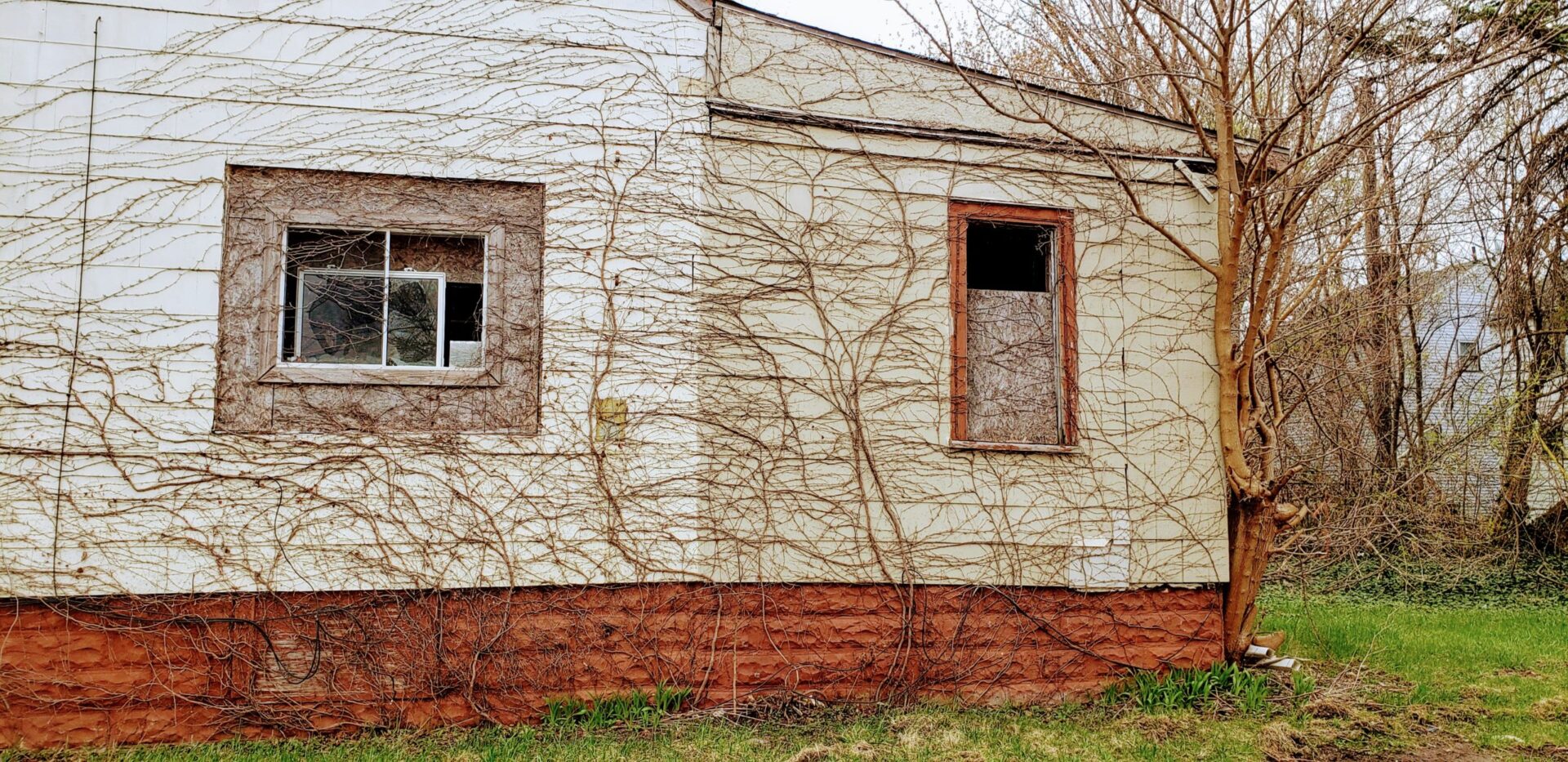
The new ordinance requires owners of vacant and abandoned buildings to register their properties with the City of Flint within 60 days of vacancy and pay a $250 registration fee to do so. Properties will be subject to exterior inspections, and certain exceptions to registration apply, including for properties under permitted construction or owned by governmental entities.
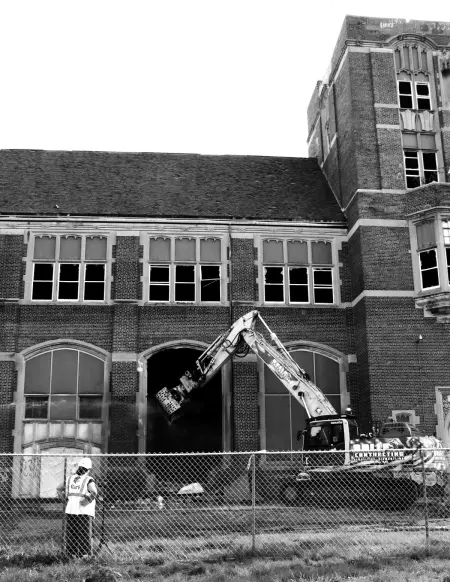
Richardson explained that the ordinance is meant to “encourage” owners to get their vacant homes and businesses up to code and occupied, so neighbors aren’t left to manage the issues that arise from such buildings, like vandalism, decreased surrounding property values, blight, and arson.
At the council meeting on May 26, 2026, several Central Park residents and business owners spoke in favor of the ordinance, including Leslie Beemer, who told council members that “vacant homes do not just affect property values, they affect the spirit of a neighborhood.”
However, another resident, Richard Bush, spoke against the measure, citing an undue burden on property owners like him who maintain their vacant lots (though vacant lots with no residential or commercial structures are not subject to the ordinance). Bush also said he felt that the Genesee County Land Bank was actually the greatest offender when it came to poorly maintained vacant properties in his neighborhood.
“As far as I know, I’ve got the only derelict house right next to me that belongs to the Land Bank that’s been there for 18 years,” he told Flint City Council. “And I’ve argued with them over and over again.”
In an interview following the vote, Council President Candice Mushatt, who brought the proposed ordinance language forward last month, said that she hoped the ordinance would spur the Land Bank toward better practices, too.
“We really just want residents to know that we are doing our part in addressing vacant and abandoned buildings in the city that are privately-owned or even belong to the city,” she said. “I think that this will help encourage Land Bank to be more responsible in their ownership, as well.”
She called Mr. Bush’s comment “a very valid concern” and added that the Land Bank has been doing more to take care of their properties even without this legislative “push.”
But, Mushatt said, she believes the ordinance “sends the message to everyone, whether it is city-owned property – which we should be taking care of – whether it’s privately owned, [or] whether it’s owned by the Land Bank, that Flint is a place of beauty… and everyone has a responsibility to take care of their property.”
So long as Mayor Sheldon Neeley does not veto the ordinance, which is technically an amendment to the city’s building code, it will go into effect on June 25.
Mushatt told East Village Magazine she views the first year of enactment as a time to figure out how the registration and fee process functions, as outlined in the current language, and if adjustments need to be made.
“One of the things that we did find out from our building safety already is that, once people heard that this was even being considered, they have started to get calls from people who wanted to comply right away. It’s very promising,” she said. “So we’re hoping that there’s more cooperation that comes, and it’s voluntary.”
Flint’s vacant building ordinance passed 7-0 through a consent agenda vote on Tuesday. Councilwoman Tonya Burns and Councilman Dennis Pfeiffer were absent for the vote.