Published in partnership with Flint. Daily.
City of Flint voters will choose the city’s next mayor from among four candidates — two on the ballot and two certified write-in candidates — on November 3.
Incumbent Mayor Sheldon Neeley is looking to become the city’s first mayor to win a third term since Woodrow Stanley in 1999.
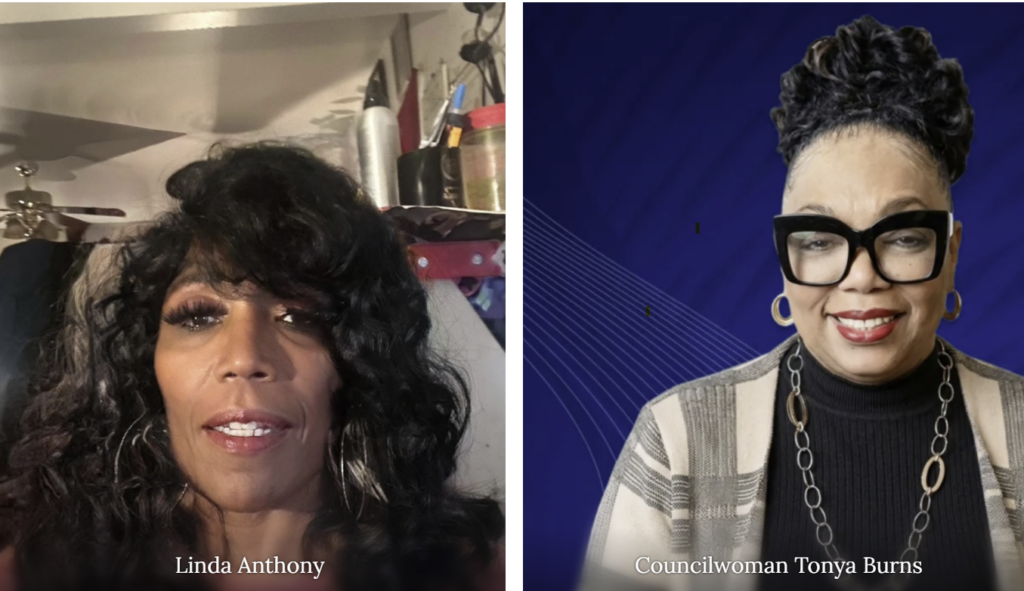
He’s challenged on the ballot by Sixth Ward Flint City Councilwoman Tonya Burns, who has served in that seat since 2021.
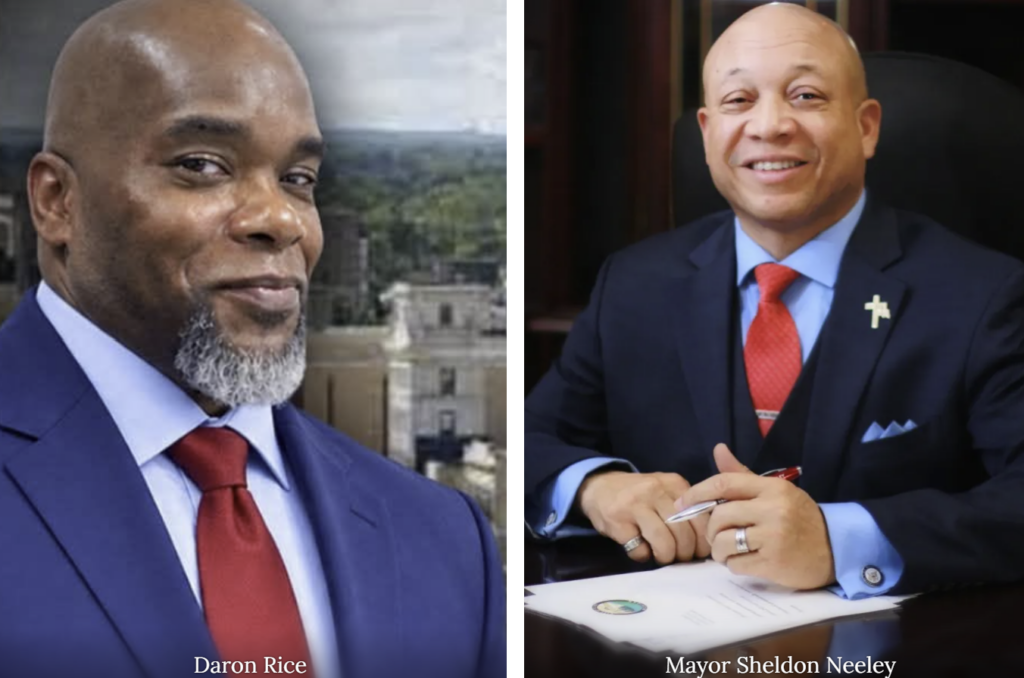
Two write-in candidates, Linda Anthony and Doron Rice, are also running.
Neeley and Burns emerged as the top two vote-getters in an August primary that had four candidates on the ballot and Anthony as a write-in. Neeley received 5,133 of 11,956 votes cast, followed by Burns with 3,915. However, more voters in the primary voted against Neeley and for him as Roshanda Womack (1,709) and Micaiah Owens (1,195) each also received more than 1,000 votes.
Neeley and Burns both filed financial statements chronicling money their campaigns took in and spent during the primary.
Neeley reported just over $67,000 in contributions while Burns reported just over $17,000. Burns initially had a reporting waiver on file, stating she didn’t intend to raise or spend more than $1,000 but later filed the financial disclosures when she began fundraising, which candidates are allowed to do.
Anthony, Burns, and Neeley all responded to our candidate questionnaire prior to the primary election. Their responses are below. Rice, who became an official write-in candidate in late August, did not respond to emails, text messages, or a Facebook message inviting him to submit responses. He does have a Facebook page where he shares information about his platform.
All candidates in Flint elections, including certified write-ins, have been contacted at their publicly-available email address and phone number, as listed in their filing forms. More background about the questionnaire, our methodology, and the partnership between East Village Magazine and Flint. Daily. publications is available in our story announcing the collaboration.
Below are links to candidate responses in all of the local races we’ve covered.
- Mott Community College Board of Trustees
- Flint Community Schools Board of Education
- Beecher Community Schools Board of Education
- Probate Judge
- Ninth Ward
- Eighth Ward
- Seventh Ward
- Sixth Ward
- Fifth Ward
- Fourth Ward
- Third Ward
- Second Ward
- First Ward
- Mayoral Election
Age:
Linda Anthony: 63
Tonya Burns: Not provided
Sheldon Neeley: 57
Occupation/relevant professional experience:
Anthony: Pastor for 23 years, bus driver.
Burns: I was elected in 2021 as the Sixth Ward councilwoman, and proudly served since. Prior to that, I worked in economic development for the city of Flint. I worked 20+ years in the security & alarm industry. I was the first female and Black owner of a licensed ADT dealership in Michigan & Illinois. My primary focus was security systems & cameras for residential and commercial and also fire systems.
Neeley: Incumbent Mayor; professional in broadcast engineering; served as a high school counselor, a career and technical counselor, and also as a counselor at a runaway shelter. I also did a brief stint with JobCorps and served on Flint City Council as well as State Representative.
Education:
Anthony: Flint Northern High School 1980 graduate; pastoral graduate; full-time mom and wife graduate.
Burns: I went to Flint Public Schools, and then the Detroit College of Business, Davenport University, and then I switched over to Madonna University where I was studying teaching.
Neeley: Flint Public Schools – Flint Northern all day long! – with an associates degree in communications and liberal arts. I also attended Saginaw Valley for one year.
What boards or community organizations have you been involved with?
Anthony: Gospel church.
Burns: I’ve been over-involved my entire life and had to resign from some boards when I took my council seat. Council was technically a part-time job, but it’s literally full time. My commitment has always been to the people. And I kept that commitment. I get calls 24 hours a day, seven days a week, almost all the time. I always tell people, ‘If something happens, call 911, then call me.’ When people trust you, they call you. And we should be able to trust our elected officials.
Neeley: I chair the DDA Board and serve on the MEDC Executive Committee. I also work with the Flint & Genesee Chamber and was on the MTA Board.
How long have you lived in Flint?
Anthony: 58 years.
Burns: I am born and raised in Flint.
Neeley: 57 years.
What neighborhood or area do you live in?
Anthony: Northside.
Burns: Sixth ward, but I feel like I’m the council person at large because I’ve always taken calls from all over the city. If you call and you need help, I’m helping.
Neeley: Northwest. I’ve only lived in two homes my whole life: where I was raised with my mother, father, and my brother, and the house I bought my teenage sweetheart.
Do you own or rent/lease a residence outside of the city? If so, how often do you stay there?
Anthony: Own.
Burns: Yes, I do, actually outside of the state, but my primary residence is in the sixth ward.
Neeley: No, but I do own my former family home, also in Flint.
Do you promise voters that you will file your campaign finance statements by all required pre- and post-election deadlines for the primary and general election? If not, have you filed a Reporting Waiver and do you promise voters that your campaign will not receive or expend more than $1,000 in your election bid, per that waiver’s requirement?
Anthony: Yes.
Burns: I’m in my fifth year on Council and have never had campaign violations. Filing your campaign finance statements, that’s something that’s required for all candidates to be on the ballot and I have always met those deadlines.
Neeley: Yes, we have always turned in our finance documents no matter which office I have held.
What things do you enjoy doing or places do you enjoy going in the city for fun or in your spare time?
Anthony: I enjoy reading, fishing at parks, and going to the Goodwill.
Burns: I enjoy spending time with my family. For nearly 30 years, I’ve also done what I call the Tour de Flint, taking people around the city to see Flint through my eyes. I show them places like the Sloan Museum, the Planetarium, our beautiful historic homes, and the natural beauty of our parks. Flint has a rich history, and our people are resilient. I also enjoy spending time downtown, where you can have dinner or relax outside. It’s been exciting to see downtown come back, and I’d like to see that same revitalization on Clio Road and the eastside. We may never return to the days of Buick City or Chevy in the Hole, but we can build a thriving city again while creating safe spaces for families.
Neeley: I like being home, in my backyard, with my family.
Why did you decide to run for mayor?
Anthony: I’m a pastor. I have heard the cries of the residents too many times. I decided to step up to the plate to make some changes in the city of Flint. I am also a resident of Flint, so I’ve seen and been through those challenges as well and I know if we can come together as one people in Jesus’ name, we will make this work.
Burns: I kept my promise to restore trust and confidence in our city, but I’ve done as much as I can from my council seat. I’ve worked to unite the 6th ward, move projects forward, and make investments that outlast my time in office. With ARPA funding, I created the Going Green Tool Shed to help homeowners and partnered with Bethel Church to support a community health center offering screenings, food assistance, and basic care. I’ve supported churches and organizations outside of my ward like St. Mark’s, addressing food insecurity. Real change requires strong leadership. I was concerned by decisions that undermined public trust, like council members voting on funding for nonprofits they were connected to. I’m running because our community deserves honest government & leadership people can trust.
Neeley: Originally I ran to save the city I love. Back then we were at an intersection of civil unrest, a financial crisis, and a water crisis. Flint was on the precipice of bankruptcy and making things much worse we had a COVID-19 outbreak looming. There was a list of other candidates wanting to run the city, but where were they in those tough moments? Now the pension system is fixed and Flint is finally on stable financial footing. When we started, our system was only funded at 26%, now we’re at 71% and growing! I’m running again to continue this forward progress. We are on a great trajectory. The city is doing very well, and we’re going to continue that progress because Flint deserves nothing less.
What separates you from other candidates in the election?
Anthony: Me and my late husband have opened our homes to the residents of Flint. We have helped the residents of Flint out of our own pocket expecting nothing in return. We’ve reached out to the homeless and to many children, fed the hungry, and also gave them prayer. Never did we turn anyone away. I’m different not because of a name, but because of the love that I’ve given to the residents of FLINT, the same love that God has given me and my family.
Burns: Anyone willing to throw their hat in the ring deserves respect because they want something good for Flint. What separates me is that I come with experience. I understand how government works, from the city charter and council rules to the Open Meetings Act. Good government creates good policy. I’ve spent years bringing people together at town halls, neighborhood meetings, and listening sessions. I have six neighborhood associations in my ward, so I’m constantly meeting with residents & working to solve problems. I stood with my children, family, friends, and neighbors during the water crisis, protesting in Flint and Lansing because our community deserved better. I’ve also been willing to hold government accountable, whether it’s questioning how ARPA dollars are spent or demanding transparency with public assets. I’ve kept my promises to my constituents, and I want to restore trust and confidence in city government while making sure every decision puts the people of Flint first.
Neeley: Experience. Being a proven leader and a winner; seven consecutive balanced budgets; and I have brought millions of dollars in economic investments to Flint.
What do you see as the biggest challenges facing the city?
Anthony: The residents of Flint are struggling to manage the struggles that were not put on them by themselves, but other people. Starting with the Flint water crisis, people are paying for water that almost killed them and are losing their homes due to the decisions outside of their control. Children are hurt from that water, making them unable to regulate their feelings, and make sound decisions, which is the cause of violence in our homes and on our streets. The people of Flint have lost courage and faith for changes to be made by the people in charge.
Burns: The biggest challenges facing Flint are restoring trust in our water, improving public safety, and rebuilding our neighborhoods. People still don’t trust the water, and they deserve clean, affordable water from the tap. We also have an increase in gun violence, drive-by shootings, and young people becoming involved in crime. We need a comprehensive public safety plan that addresses violence, supports law enforcement, and gives our youth opportunities before the streets get hold of them. We also need to recruit and retain police by offering competitive wages. Beyond public safety, we have to address blight, aging infrastructure, and neighborhood investment. Too many parts of our city have been left behind. Flint has incredible potential, but we need real plans, accountability, and leadership that is willing to talk honestly about our challenges and work with the community to solve them instead of pretending they don’t exist.
Neeley: Infrastructure. We need to work on more than just roads, we need to cut dangerous trees, we need to repair environmental damages that have brought injustice to our residents, we need to make more investments in our water system to help bring down the cost. We need to continue to remove blight from our city and demolish more condemned buildings. I have already prescribed the medicine for all of these municipal illnesses, but we need to increase the dosage in my next term.
What do you see as Flint’s greatest assets or opportunities for the future?
Anthony: Investing in our children, more jobs, more places to help the homeless, and getting rid of blight on our streets.
Burns: Flint is what I call a plug and play city for businesses. We have the infrastructure, we have the highways, we have the airport, we have the utilities that are already here. So we just need good businesses to come here. The big question now is data centers, which I voted to put a 12-month moratorium on. Putting a facility right across the street from where people live, it needs to be looked at deeper. For Flint’s future, let’s work to improve our school district, so we’re bringing back kids to our city to grow good paying jobs and livable wages. People who work deserve to have a livable wage and not work three, four jobs to make a living. For me it’s important to bring not just Michigan businesses, but going to Washington. We lost our voice in Washington somewhere along the way, and they forgot that Flint didn’t poison itself. Flint was failed at the local, state, and federal levels. We need to make sure that they are investing back in Flint, and I’m gonna hold them to that.
Neeley: Some of the greatest assets that we have are the partnerships that we’ve developed. I talk a lot about prayer, planning, and partnership – our partnerships with the municipal government, state government, federal government, philanthropic entities, and also social organizations in our community. The levels of partnerships that we have built have created the current trajectory that we’re on, and we’re winning now.
What would be your three top priorities should you be elected?
Anthony: I will first look into the water crisis lawsuit and find out where the residents’ money is. Secondly, I want to develop a mental health division into the police force to support de-escalation tactics and to better support the mental health services of Flint residents. Third, I will create a more sustainable plan to help the homeless in our city.
Burns: My top priorities are water safety and affordability, public safety, and economic development. First, we’ll focus on clean, affordable water by strengthening our Department of Public Works, continuing the work on infrastructure, and hiring qualified management. We’ll implement a comprehensive public safety plan, which I have been pushing for on Council, that addresses violence, supports police, and provides more opportunities for young people. Third, we’ll grow Flint’s economy by cutting red tape, creating a concierge service for businesses, investing in small business development through the Oak Business Center, and cleaning up blight across every neighborhood. I want people to feel proud of where they live, and I want investment to benefit the people who already call Flint home. These are priorities I will begin acting on from day one with my 100-day plan.
Neeley: 1. Public Health: We have large health disparities inside the city of Flint, both mental and physical. We’ve got to find ways for government to engage with and help support those individuals. 2. Insurance: We’ve begun to try to tackle insurance issues in the city – whether it be residential, auto, or health. We know programs, like roof repair assistance, aren’t working because insurance mandates are out of control. So, we’re working on a plan to alleviate a lot of the stress about insurance costs for residents.This could help keep people out of foreclosure and keep them in their homes. 3. Utility Costs: We’re looking at ways to reduce costs for residents for essential services, like water, right now. One of the biggest challenges that we have is that the previous administration signed a 30-year agreement (to 2047) with the entity that keeps raising our rates. We have not raised rates on residents but we need to find a way to bring down those costs.
The Flint City Council recently passed a 1-year moratorium on data center developments in the city. Do you agree with that resolution? Why or why not?
Anthony: We were not for it due to the water crisis.
Burns: I got my agenda at 7:36 p.m. on a Tuesday. By the next day, I’d taken so many phone calls, some pro and some against. I did research. China has 457 data centers, the U.S. has 5,427. We need to make sure these are safe. Do they cause higher levels of cancer? How do they affect our nervous systems or health? I looked at Virginia, which has over 400. I looked at North Carolina, Mecklenburg County put a moratorium on, and then they paused it. I looked at Mundy Township, where people said we don’t know if we want these. Do they cause health issues, what do they emit, what are the impacts on air and water? Flint was already poisoned by water, so for me, it was let’s take a pause, let’s study. That’s why I had a town hall with Dr. Brandy Brown, an environmentalist and data center expert, to receive good information. That’s why I voted to put a moratorium on. This election means if we don’t get the right people in November, they can vote to have that moratorium off, and that data center is coming. I’m not into making billionaires more rich, I’m into looking out for the people in this community and their health. (Editor’s Note: As a current City Council member, Burns voted in favor of the moratorium.)
Neeley: I support the moratorium because the people of Flint want it. At the hearing for this moratorium not one person spoke in favor of data centers. This moratorium gives our city a chance to look into data centers and how they have affected other communities. We can use that information to craft a responsible plan for data centers in Flint.
The Flint City Council recently passed a permanent resolution recognizing June as Pride Month in honor of Flint’s LGBTQIA+ residents. Do you support that resolution? Why or why not?
Anthony: As mayor, I would want everyone to have a pursuit of happiness.
Burns: I believe a community should be inclusive. You love who you love, and it’s not my business. It is important that we come together to find a common bond with each other. I have personally seen some friends and family who struggled. One of my best friends is an engineer. She lives in North Carolina now, and she felt she couldn’t tell me. She finally said, ‘I need to tell you something. I am married.’ And she gave the woman’s name. I said, “Okay, as long as you’re happy, I love you for you.’ That’s from my heart. I think we have more things to worry about than other people’s business. I am inclusive. Everyone should be able to feel comfortable and represented in our community and we don’t have the right to exile anyone because of people’s certain beliefs. (Editor’s Note: As a current City Council member, Burns has consistently voted in favor of recognizing Pride Month, Juneteenth, Black History Month, and resolutions recognizing other groups of constituents during her tenure on Council.)
Neeley: Yes I support it, and I’m so happy that City Council caught up. Every year that I’ve been here I pass a resolution and they debate it, they argue it. It finally got to one point I just said: it’s Pride Month because the administration says it is. I don’t care if you do a confirmation vote or not.
Have you ever been charged with or convicted of a violent or financial crime, and if so, how was it resolved?
[NOTE: This question is not intended as a judgement on a candidate’s criminal history. We do not believe that a criminal history should be a barrier to anyone holding elected office. Rather, this is an opportunity for a candidate to directly respond to voters regarding any public criminal or financial records that do exist or public accusations that have been made that voters may be aware of.]
Anthony: No.
Burns: No, I have not committed any crimes, but I do believe in second chances. In my company, I hired returning citizens to work for me. A felony for child support is not the same as a felony for murder. So that just means I need to get you a job so you can have your child support payroll deducted. So I believe in giving them the opportunity to reintroduce themselves back into the community and have a job. I hired probably 30-40% of my staff in sales as returning citizens. We background checked them, we trained them. On Mother’s Day, my kids don’t want to hold my phone because I still get over 200 Mother’s Day texts from people who used to work for me who I gave second chances to.
Neeley: No.
Do you have a campaign website or social media pages for voters to learn more about you?
Anthony: We got a write-in, if you want her to win, write her in, Pastor Linda Anthony.
Burns: The campaign website is tonyaburnsformayor.com, and there are links to my Facebook and Instagram pages that people can go to, and my contact information is on the website as well.
Neeley: Facebook.